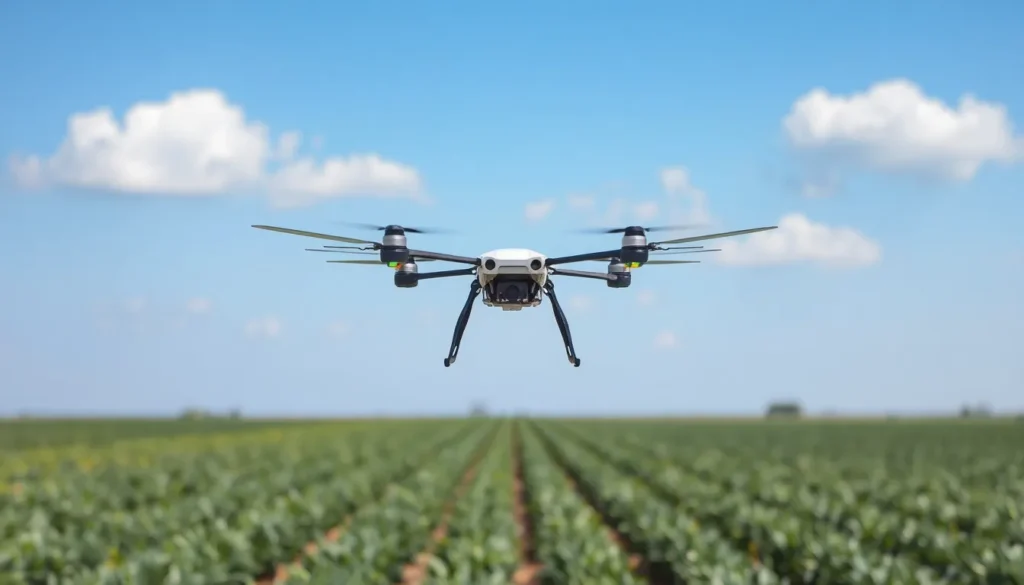

Imagine a world where drones zip around like nature’s own little acrobats. Enter the dragonfly drone—these marvels of technology mimic the elegance and agility of their namesakes. With wings that flutter and maneuver with stunning precision, they’re not just a pretty sight; they’re revolutionizing industries from agriculture to surveillance.
Overview of Dragonfly Drones
Dragonfly drones are engineered to emulate the natural flight patterns and agility of actual dragonflies. These devices boast advanced wing designs that enable exceptional maneuverability and stability during flight. Precise wing movements allow for both hovering and rapid acceleration, setting them apart from traditional drones.
Various industries benefit from dragonfly drones, with agriculture and surveillance being the most prominent examples. In agriculture, these drones can navigate tightly between crops, monitoring plant health and optimizing pesticide application. For surveillance, their quiet operation permits discreet observation in sensitive environments.
Developers utilize lightweight materials to enhance the efficiency of dragonfly drones. This emphasis on reducing weight facilitates extended flight durations and improved battery life. Sensors integrated into the drones provide real-time data, enhancing decision-making processes across applications.
Investments in drone technology have significantly advanced capabilities. Research shows a growing trend toward using biomimicry in drone design, with dragonfly drones representing a leading example. Their ability to access areas where larger drones struggle gives them a competitive edge in various operations.
Future developments may lead to increased automation features, allowing for autonomous flight paths and advanced obstacle avoidance systems. Researchers continue to explore advancements in artificial intelligence to refine the control systems for dragonfly drones. As industries evolve, the integration of these innovative drones promises to reshape operational efficiencies and redefine traditional practices.
Key Features of Dragonfly Drones
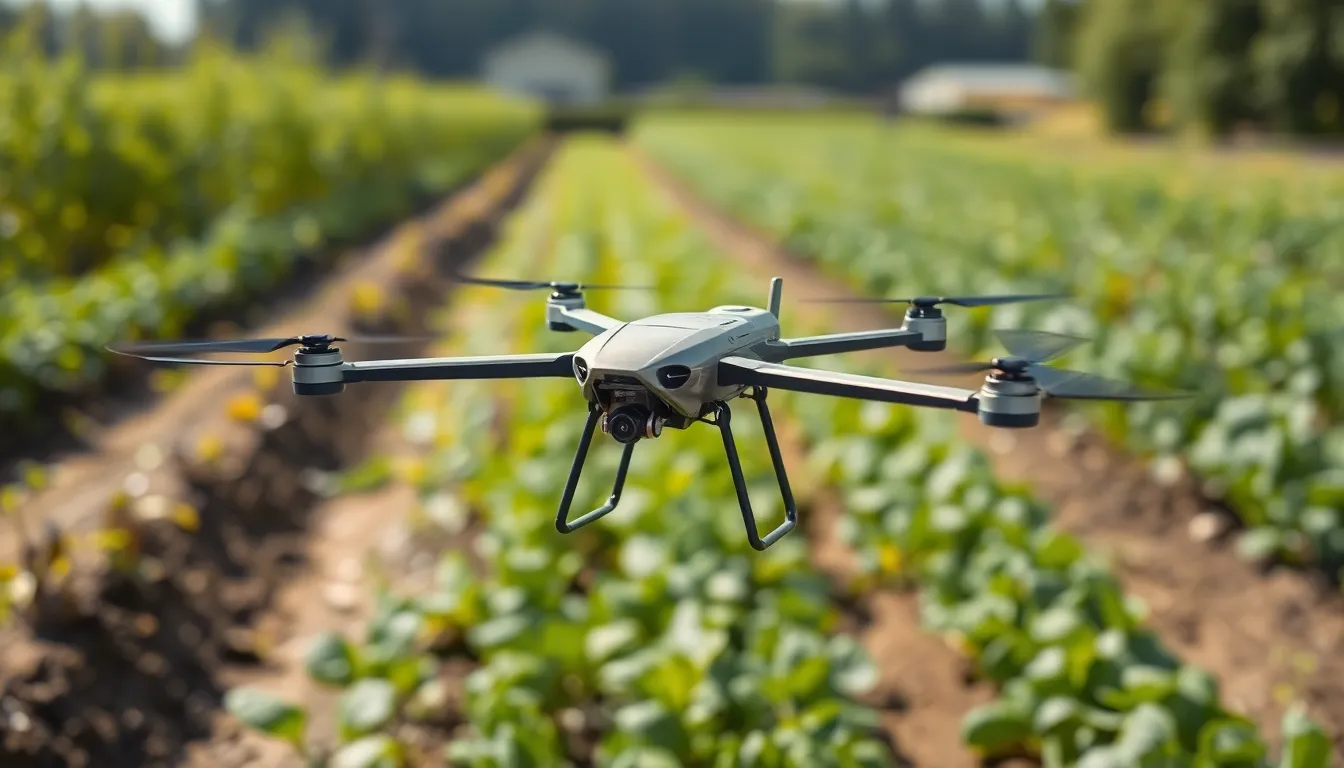
Dragonfly drones possess distinct features that enhance their functionality and adaptability across various applications.
Size and Design
Compact dimensions characterize dragonfly drones. Their small size allows for easy navigation through tight spaces, making them suitable for dense environments. Designers emphasize lightweight materials in construction, contributing to overall maneuverability and efficiency. Aerodynamic shapes replicate the natural form of dragonflies, enhancing flight stability. Unique wing configurations enable effective lift during various flight maneuvers. This innovative design approach allows dragonfly drones to perform tasks that traditional drones struggle with, such as navigating through crops for agricultural monitoring.
Flight Capabilities
Impressive flight abilities define dragonfly drones. Exceptional hover capabilities allow them to maintain a stable position in the air. Quick acceleration and sharp turns enable precise control, essential for various applications like surveillance and environmental monitoring. Integration of advanced sensors enhances flight stability and data collection during maneuvers. Real-time data processing capabilities ensure quick decision-making, providing operational advantages. Furthermore, advanced obstacle avoidance systems enhance safety during flight, minimizing risks in complex environments. Dragonfly drones excel at accessing confined spaces while delivering superior performance in various operational scenarios.
Applications of Dragonfly Drones
Dragonfly drones showcase remarkable versatility across various sectors, primarily excelling in agriculture and environmental monitoring.
Agricultural Uses
Dragonfly drones optimize agricultural practices by providing precise monitoring of plant health. They assess growth stages with high-resolution imaging and collect valuable data to inform decisions about irrigation and fertilization. Efficient pesticide application further enhances their role, as these drones deliver targeted treatment, reducing chemical usage and minimizing environmental impact. The lightweight design enables access to smaller or hard-to-reach areas, allowing farmers to cover large fields more effectively. With their quiet operation, dragonfly drones can operate during sensitive periods without disturbing wildlife.
Environmental Monitoring
Environmental monitoring efforts benefit significantly from dragonfly drones. These machines collect data on air quality, water resources, and wildlife populations. Their agility permits navigation in complex terrains, allowing for comprehensive assessments of ecosystems. Equipped with advanced sensors, dragonfly drones measure environmental changes rapidly and accurately, aiding in the identification of pollution sources and habitat degradation. Continuous data collection supports research initiatives and enhances conservation efforts, ensuring sustainable management of natural resources.
Advantages of Dragonfly Drones
Dragonfly drones offer significant advantages in various applications due to their unique design and advanced technology. These benefits enhance performance and operational capabilities across multiple industries.
Maneuverability
Maneuverability defines the essence of dragonfly drones. Exceptional wing designs allow for swift changes in direction, enabling navigation through tight spaces. Agile flight mirrors real dragonflies, facilitating smooth hovering and quick accelerations. Their capability for sharp turns enhances effectiveness in surveillance and agricultural monitoring. This superior maneuverability grants them access to areas that larger drones cannot reach, making them ideal for both urban and rural settings.
Efficiency
Efficiency characterizes the operational advantages of dragonfly drones. Lightweight materials contribute to extended battery life, enabling longer flight durations during tasks. Their compact size ensures swift deployment, which accelerates data collection processes. These drones gather critical information without disturbing wildlife, thus promoting minimal environmental impact. High-resolution sensors deliver precise imagery, allowing for effective monitoring of plant health in agriculture. Efficient navigation also aids in real-time environmental assessments, ensuring accurate data for sustainable management.
Challenges and Limitations
Dragonfly drones face several challenges and limitations that affect their functionality and applications. Limited battery life restricts operational time, as many dragonfly models can only fly for 20 to 30 minutes before needing a recharge. Weight restrictions for components can hinder the addition of more advanced sensors, impacting data collection capabilities. Additionally, operating in adverse weather conditions remains problematic; strong winds or heavy rain can impair their stability and control.
Another challenge lies in the regulatory framework. Various countries impose strict regulations on drone operations, affecting deployment in certain areas. Compliance with local laws becomes necessary to avoid potential penalties and restrict operational freedom.
Flight range presents another limitation, as many dragonfly drones are designed for short-range missions. This limitation can restrict their effectiveness in larger agricultural fields or expansive environmental surveys.
High manufacturing costs may deter widespread adoption. The advanced technology integrated into these drones often makes them pricier than traditional drones, limiting accessibility for small enterprises or individual users.
The complexity of the technology involved creates a steep learning curve for users. Familiarity with the advanced features and navigation systems takes time, which can slow their adoption.
Addressing these challenges requires ongoing research and development. Improved battery technology, enhanced weather resistance, and continuous dialogue with regulatory bodies may help optimize dragonfly drone performance in the future.
Dragonfly drones represent a significant advancement in drone technology, showcasing capabilities that can revolutionize various industries. Their unique design and agility allow for efficient navigation and precise monitoring, making them invaluable in agriculture and environmental assessments. While challenges such as battery life and regulatory hurdles exist, ongoing innovations promise to enhance their functionality and accessibility. As the demand for efficient and sustainable solutions grows, dragonfly drones are poised to play a crucial role in shaping the future of aerial technology. With continued investment and development, these remarkable machines will likely redefine operational practices and contribute to sustainable resource management.