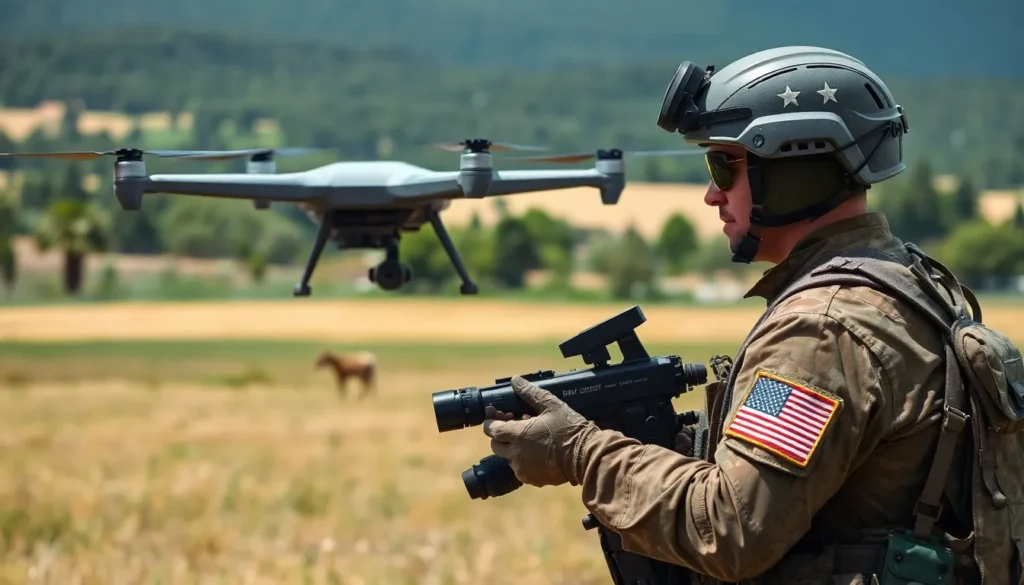

In a world where privacy feels like a thing of the past, spy drones have taken to the skies, blending high-tech wizardry with a dash of stealth. These flying gadgets aren’t just for secret agents in Hollywood flicks; they’re revolutionizing surveillance, data collection, and even the occasional nosy neighbor’s backyard barbecue. Who knew that the future of spying would come with propellers and a Wi-Fi connection?
Imagine a tiny drone buzzing above, equipped with cameras sharper than your grandmother’s eyesight. These little spies can gather intel faster than you can say “Big Brother.” From military operations to wildlife monitoring, spy drones are redefining what it means to keep an eye on things—sometimes literally! Buckle up as we dive into the fascinating world of spy drones, where technology meets intrigue and a sprinkle of humor.
Overview of Spy Drones
Spy drones represent a significant advancement in surveillance technology. These unmanned aerial vehicles (UAVs) gather intelligence and monitor activities from the sky. Equipped with high-resolution cameras, they can capture detailed images and videos in real time. Various industries utilize spy drones, including military, law enforcement, and private security.
In military applications, spy drones provide critical reconnaissance capabilities. They enable forces to observe enemy movements without putting personnel at risk. Notably, the U.S. military employs drones like the MQ-1 Predator for long-range missions. Law enforcement agencies also use drones to enhance public safety and conduct investigations. Equipped with thermal imaging, these drones can detect illicit activities even at night.
Privacy concerns arise with the increasing use of spy drones. Many civilians voice worries about unauthorized surveillance. Regulations vary by region, affecting how agencies deploy these devices. Public backlash against invasive monitoring fuels discussions about ethical drone use.
Innovations continue to emerge in the field of spy drones. Manufacturers focus on developing drones with improved battery life and enhanced stealth features. Advanced software also allows for real-time data processing and analysis. These upgrades improve operational efficiency and increase situational awareness during missions.
Spy drones aren’t limited to military and law enforcement. Conservationists leverage these technologies for wildlife monitoring and habitat preservation. Drones help track endangered species and assess environmental changes. Their versatility showcases the potential for beneficial applications beyond surveillance.
As technology evolves, spy drones play a vital role in shaping surveillance practices. Understanding their capabilities and implications remains crucial in today’s privacy-conscious society.
Types of Spy Drones
Spy drones come in various types tailored to specific functions. Each type serves distinct purposes within surveillance frameworks.
Military Spy Drones
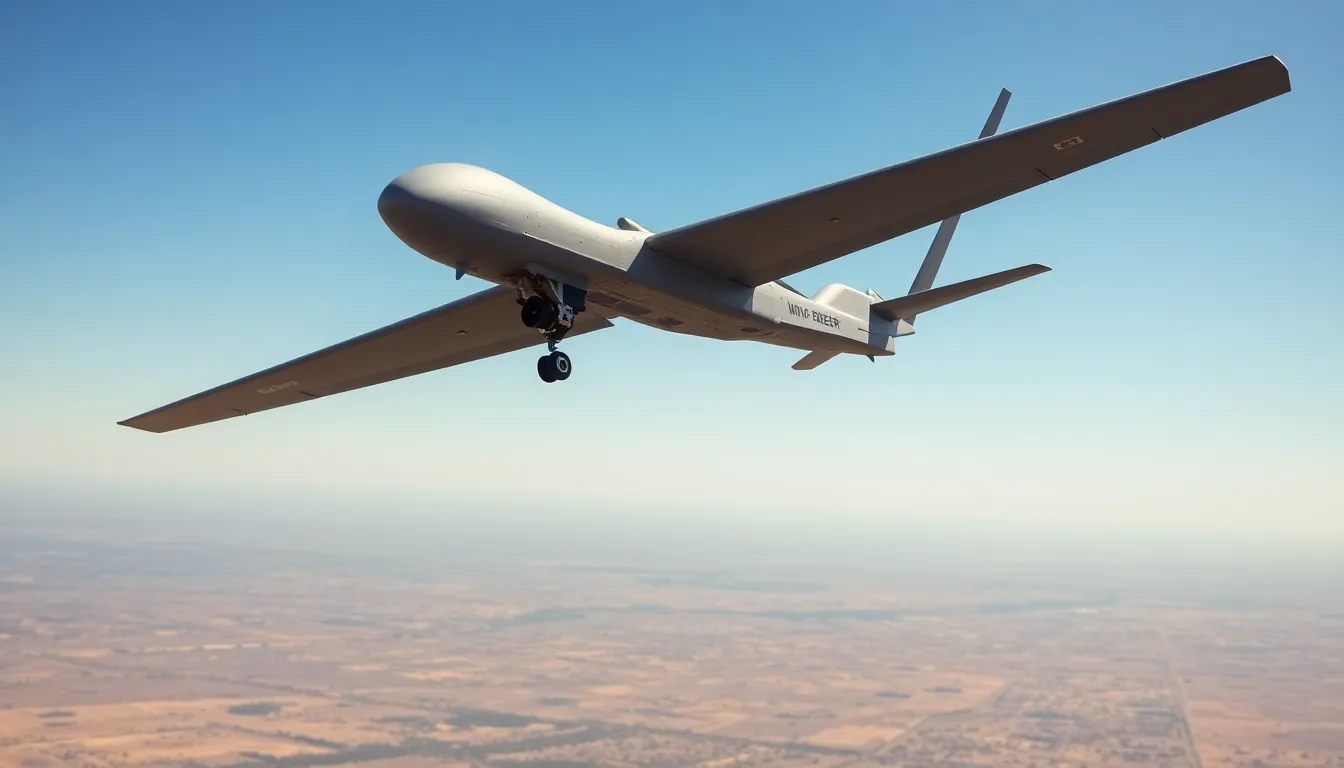
Military spy drones operate primarily for reconnaissance and intelligence-gathering tasks. Models like the MQ-9 Reaper and the RQ-4 Global Hawk exemplify capabilities such as high-altitude surveillance and precision strike potential. Equipped with advanced imaging technology, these drones capture detailed visuals and telemetry data from vast areas. They enhance situational awareness on the battlefield. Military branches worldwide deploy these drones for operations ranging from surveillance of enemy positions to strategic mission planning, demonstrating their critical role in modern warfare.
Civilian Spy Drones
Civilian spy drones find applications across various sectors, including law enforcement and environmental monitoring. Models such as the DJI Mavic series prove popular due to their accessibility and advanced features. These drones assist law enforcement by providing aerial views during emergencies and crime scene investigations. In wildlife conservation, civilian drones facilitate the tracking of animal movements and habitat assessments. Businesses also utilize them for property inspections and agricultural monitoring. The adaptability of civilian spy drones showcases their significance in improving safety and efficiency in non-military contexts.
Applications of Spy Drones
Spy drones find diverse applications in various fields, utilizing advanced technology for enhanced operational efficiency.
Surveillance and Reconnaissance
Surveillance and reconnaissance represent primary functions of spy drones. Military organizations deploy drones like the MQ-9 Reaper for intelligence-gathering purposes, enabling real-time data collection over vast areas. Law enforcement agencies employ civilian drones to monitor public events, ensuring security and safety. Many industries leverage the capabilities of drones for infrastructure inspections, gathering critical visual data on difficult-to-reach structures. Increased precision in target identification enhances strategic planning and response. Enhanced imaging technology allows for improved situational awareness, which is vital in both military and civilian contexts.
Search and Rescue Operations
Search and rescue operations benefit significantly from spy drone technology. Drones equipped with thermal imaging cameras assist rescuers to locate missing persons in challenging terrains. Rapid deployment of drones to disaster sites accelerates the search process, facilitating quicker recovery efforts. They can cover large areas in a shorter time compared to traditional search methods. Many rescue teams rely on drones to assess hazardous environments, ensuring safety during operations. Effective communication between drones and ground teams enhances coordination and strategy during emergencies.
Benefits of Using Spy Drones
Spy drones offer a variety of benefits across numerous fields. Military organizations gain enhanced situational awareness through real-time surveillance capabilities. Law enforcement agencies utilize these drones for monitoring public events, aiding in crowd control and crime prevention.
Advanced camera technology enables high-resolution imagery, allowing for precise identification of subjects and environments. Quick deployment allows teams to respond swiftly during emergencies or search-and-rescue missions, increasing the chances of successful outcomes.
Cost-effectiveness stands out among various advantages. Operating a drone requires fewer resources compared to traditional reconnaissance methods, such as manned aircraft. Additionally, the reduction in personnel risk when utilizing drones contributes to overall safety during missions in potentially dangerous areas.
Eco-friendliness has become an important factor; many spy drones operate on electric batteries, minimizing carbon emissions compared to fuel-powered aircraft. Wildlife monitoring also benefits, as these drones have a minimal disturbance impact on animals while providing valuable data for conservation efforts.
Versatility represents another significant benefit. Whether used for mapping infrastructure, analyzing agricultural fields, or conducting disaster assessments, spy drones adapt to numerous applications. Effective integration of these tools into existing workflows enhances efficiency and optimizes results across industries.
Regulatory compliance remains crucial. By adhering to specific guidelines, agencies can ensure ethical use while mitigating potential privacy concerns. Over time, transparency about drone operations can help build public trust in their use, showcasing the positive impacts while addressing ethical considerations.
Ethical Considerations of Spy Drones
Privacy concerns dominate discussions about spy drones. Many individuals express anxiety over unauthorized surveillance activities, highlighting the need for clear regulations. Ethical implications arise when considering how these drones collect sensitive data in public spaces. Transparency is vital; stakeholders must disclose when and how drones are deployed.
Civilian oversight remains essential in mitigating ethical dilemmas. Regulations can establish boundaries for drone usage, ensuring protection of personal privacy while maintaining public safety. The balance between security interests and individual rights shapes this ongoing dialogue.
Accountability also plays a critical role. Operators must be responsible for their actions, particularly in sensitive environments. Misuse of drones could lead to significant breaches of trust within communities, impacting public perception.
Furthermore, the military’s use of spy drones raises unique ethical questions. The potential for collateral damage in combat zones necessitates stringent guidelines. International laws often govern the use of surveillance technology, emphasizing the importance of adherence to these frameworks.
Technological advancements introduce additional complexities. Emerging capabilities like facial recognition and real-time data collection enhance surveillance potency but pose further ethical challenges. Striking a balance between innovation and moral responsibility is crucial.
Finally, public engagement can inform better practices. Open dialogues about the implications of drone technology invite civic involvement in shaping policies that govern their use. Collaboration between experts, lawmakers, and community members leads to more comprehensive understanding and responsible utilization of spy drones.
Spy drones are reshaping the landscape of surveillance and data collection across various sectors. Their ability to provide real-time intelligence and enhance situational awareness is invaluable. However, as their usage expands, so do the ethical implications and privacy concerns.
Striking a balance between innovation and responsible use is essential. Clear regulations and public engagement can help address these challenges. As technology continues to evolve, ongoing discussions about the ethical deployment of spy drones will be crucial in ensuring they serve the greater good while respecting individual privacy rights.