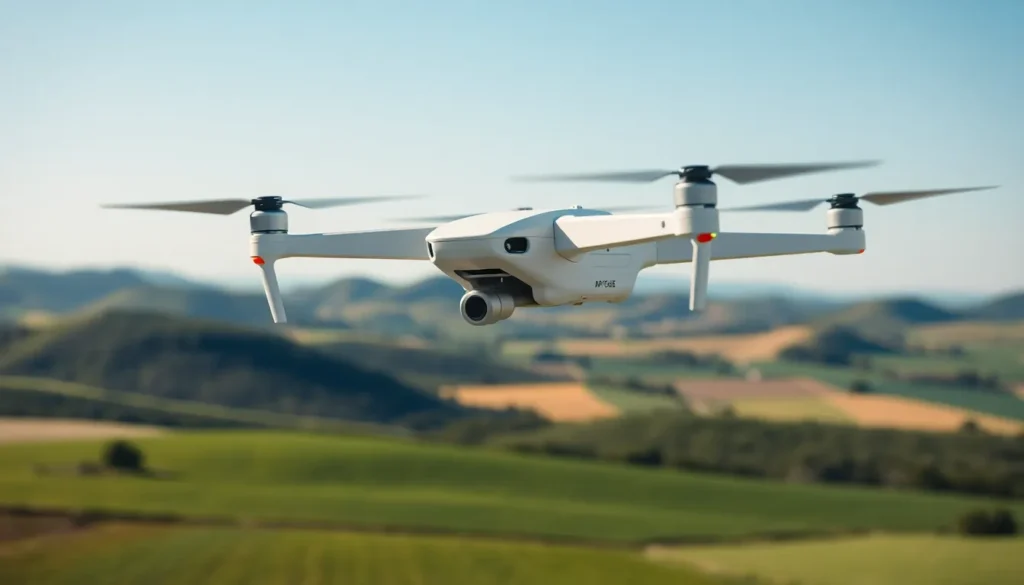

Drones are no longer just the quirky gadgets that buzz around at picnics; they’ve evolved into high-tech marvels that can navigate the skies with the finesse of a seasoned pilot. Imagine a drone that not only flies but also adjusts its speed like a driver on a lazy Sunday cruise. Enter drones with adaptive cruise control—where technology meets convenience in the air.
Overview of Drones With Adaptive Cruise Control
Drones with adaptive cruise control represent a significant advancement in aerial technology. These devices adjust their speed automatically based on flight conditions and surrounding obstacles. Enhanced navigation becomes possible as they respond quickly to changes in the environment, such as terrain and airspace restrictions.
The integration of sensors into these drones allows for real-time data collection, improving overall flight stability. Users benefit from this feature as it enhances the efficiency of delivery services and aerial surveys.
Manufacturers continuously refine algorithms to optimize speed adjustments, contributing to safety and performance. High-quality drones now utilize GPS data to maintain consistent speeds while monitoring altitude changes.
Many models support various applications, from agriculture to search and rescue operations. They streamline processes by reducing human input during critical flight phases. Increased autonomy leads to more reliable results in tasks such as crop monitoring and infrastructure inspection.
Moreover, adaptive cruise control minimizes energy expenditure, which extends flight time. The capability to gauge optimal speed contributes to better battery life and overall functionality.
As the drone industry evolves, adaptive cruise control emerges as a key feature. This technology enhances the user experience while promoting safer and more effective aerial operations. Drones equipped with this capability highlight the future of aviation, offering innovative solutions across numerous sectors.
Key Features of Adaptive Cruise Control in Drones
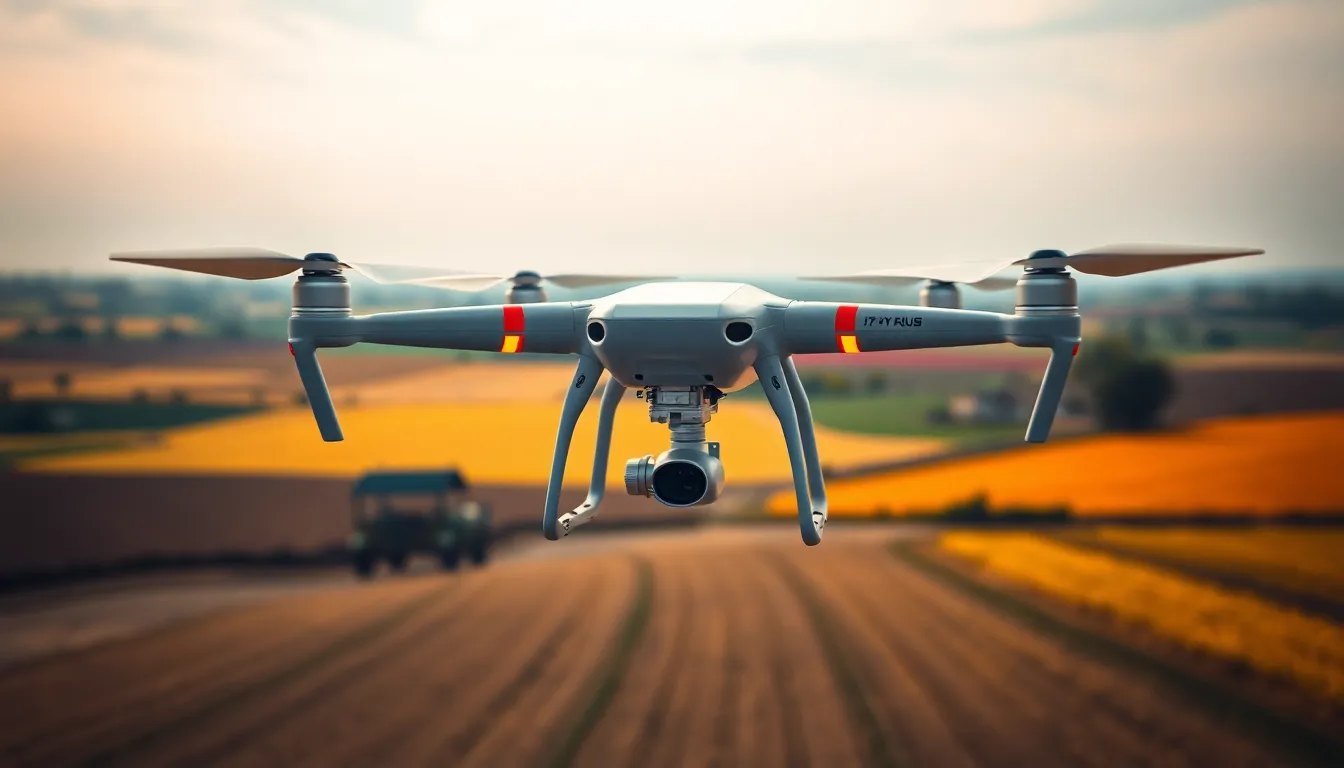
Adaptive cruise control in drones enhances overall performance with several standout features. This technology optimizes flight paths, allowing drones to navigate complex environments effectively.
Enhanced Navigation Capabilities
Enhanced navigation capabilities stem from real-time data collection via advanced sensors. Sensors monitor surroundings and determine optimal flight speeds, enabling drones to respond instantly to changing conditions. Drones can adjust their velocity based on obstacles or terrain, preventing crashes or miscalculations. As a result, adaptability promotes more precise deliveries, making drones invaluable in sectors like logistics and agriculture. Integration with GPS further amplifies this feature, allowing seamless route planning and execution.
Improved Safety Measures
Improved safety measures play a crucial role in drone operations equipped with adaptive cruise control. Automatic speed adjustments minimize risks during critical flight phases, such as takeoff or landing. This technology also incorporates collision avoidance systems that detect nearby objects, ensuring safe navigation in crowded airspace. Enhanced safety features protect both the drone and bystanders, significantly reducing potential accidents. With this capability, users experience peace of mind, knowing their drone operates effectively and securely in diverse environments.
Benefits of Using Drones With Adaptive Cruise Control
Drones equipped with adaptive cruise control provide numerous advantages for various industries. These benefits include increased operational efficiency and reduced pilot workload.
Increased Efficiency in Operations
Efficient operations stem from the drone’s ability to adjust speed automatically based on real-time conditions. Enhanced navigation results in precise deliveries, minimizing time spent in the air. Adaptive systems also enable quick adaptations to environmental changes, such as wind or obstacles, ensuring timely responses to dynamic conditions. In logistics, this means faster delivery times and more control over schedules. Data collection occurs simultaneously, allowing for better route planning, reducing fuel usage and increasing overall productivity.
Reduction in Pilot Workload
Adaptive cruise control significantly lessens the responsibilities of drone operators. Automatic speed adjustments minimize the need for constant monitoring, allowing pilots to focus on other critical aspects of flight. With real-time data feedback, operators can analyze performance without excessive multitasking. Enhanced safety features serve to decrease the chances of errors, providing operators with peace of mind during complicated missions. As a result, professionals can allocate resources more efficiently, improving overall operational effectiveness without overwhelming the personnel involved.
Challenges and Limitations
Drones with adaptive cruise control face various challenges and limitations that can impact their functionality and effectiveness.
Technical Limitations of Current Systems
Current systems often suffer from limitations in sensor technology, which affects their ability to accurately detect obstacles. Processing delays can occur as drones interpret real-time data, leading to potential safety risks. Limited battery life also constrains the operational range of drones equipped with adaptive cruise control. Moreover, environmental factors such as weather conditions can hinder sensor performance and data reliability. Adaptive algorithms require further refinement to enhance responsiveness and adaptability during dynamic flight scenarios.
Regulatory Concerns
Regulatory concerns pose significant challenges for drone operations with adaptive cruise control. Many jurisdictions enforce strict regulations governing drone flights near populated areas. Compliance with varying local laws complicates deployment strategies and reduces operational flexibility. Furthermore, airspace restrictions may limit the areas where drones can utilize adaptive cruise control effectively. Navigating through these rules can make it difficult for manufacturers and operators to optimize their systems while remaining compliant. Engaging with regulatory bodies is vital for addressing these concerns and facilitating safe integration of technology in commercial use.
Drones with adaptive cruise control are revolutionizing aerial operations by enhancing navigation and safety. This technology streamlines flight maneuvers and minimizes pilot workload while ensuring efficient deliveries and precise responses to environmental changes. As manufacturers continue to refine algorithms and sensor integration, the potential for improved performance and reliability grows.
While challenges remain, such as battery limitations and regulatory hurdles, the benefits of adaptive cruise control are undeniable. This innovation not only boosts operational efficiency but also enhances safety for both operators and the public. As the industry progresses, embracing this technology will be crucial for unlocking the full potential of drone applications across various sectors.