

Drones have taken the skies by storm, transforming everything from photography to delivery services. But before anyone dreams of soaring with a payload that rivals a small elephant, they need to check the weight limits. After all, nobody wants their flying buddy to plummet like a rock because it decided to carry a few too many snacks for the trip.
Overview of Drone Weight Limitations
Drones have specific weight limitations crucial for their safe operation. Understanding these limits ensures effective performance across various applications.
Importance of Weight in Drone Performance
Weight significantly influences drone performance. A heavier drone reduces flight time and increases battery consumption. Flight stability suffers when drones carry excessive payloads, risking control. Payloads must align with manufacturer specifications to maintain optimal functionality. Pilots may face challenges controlling drones that exceed their recommended weight limits, impacting maneuverability. Consequently, understanding the balance between payload and overall weight allows for safer and more efficient flights.
Regulatory Standards and Guidelines
Regulatory bodies, such as the Federal Aviation Administration (FAA), establish weight regulations for drones. These regulations typically dictate a maximum weight limit of 55 pounds for UAVs used in commercial operations. Compliance with registration requirements is necessary for drones exceeding 0.55 pounds. Guidelines also vary by country, emphasizing the importance of local laws. Pilots must familiarize themselves with these standards to avoid legal penalties. Adhering to regulations promotes safe practices, minimizing risks associated with drone operations.
Factors Affecting Drone Weight Limitations
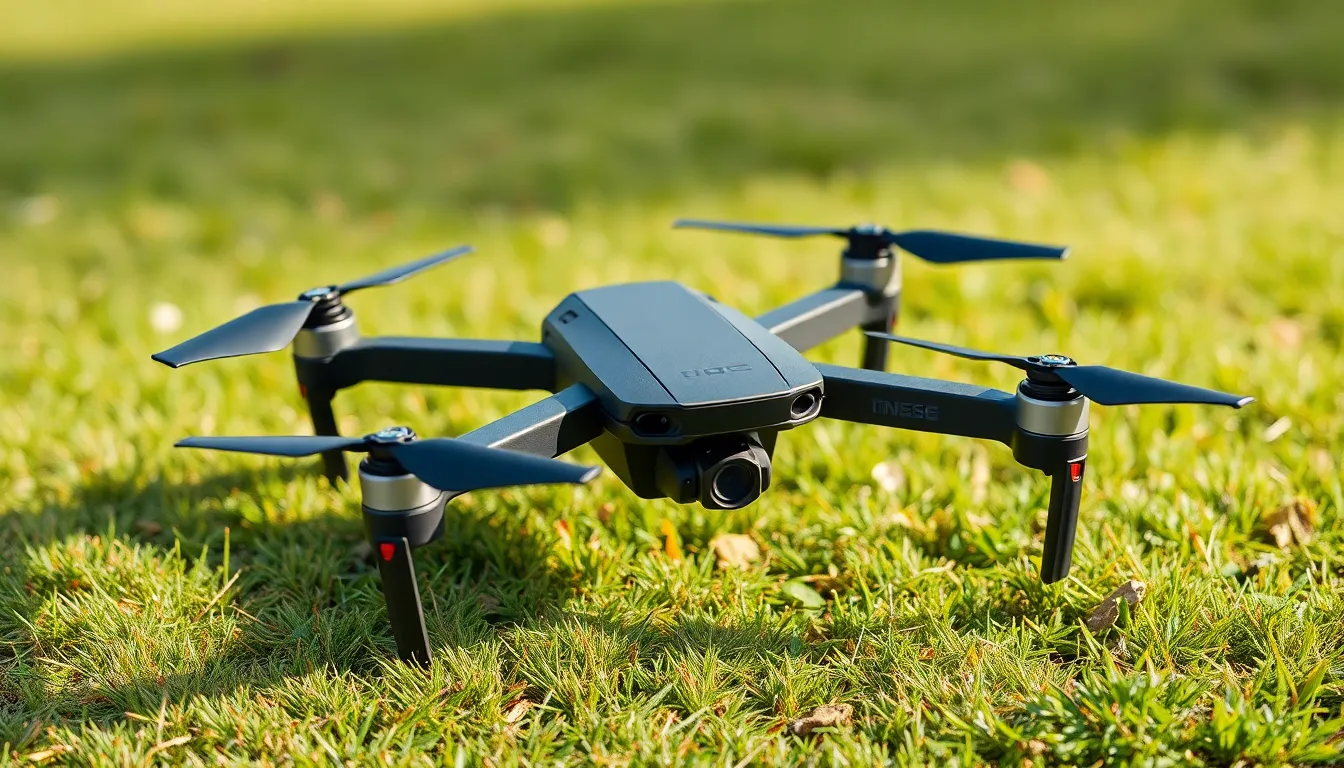
Understanding the factors that influence drone weight limitations is essential for optimizing performance and ensuring safety. Various elements play a crucial role in determining a drone’s weight capacity.
Battery Life and Payload Capacity
Battery performance directly impacts payload capacity. A drone’s ability to carry additional weight relies on its battery life. If a drone carries too much weight, battery drain increases, leading to shorter flight times. Careful consideration of battery types enhances capacity. Lithium polymer batteries, for example, often provide a good balance between weight and energy. Balancing the payload while keeping the battery weight in check maximizes efficiency. Maintaining this balance promotes better flight stability and control.
Materials and Design Considerations
Materials chosen for drone construction significantly affect weight limitations. Lightweight materials like carbon fiber and plastics reduce overall weight. Design features also contribute; smaller drones, for instance, typically support lower weights due to compact design. Aerodynamics impacts how efficiently a drone moves through air, influencing weight distribution. Engineers strive to optimize designs for functionality while minimizing excess weight. Prioritizing these materials and designs ensures drones perform safely within their weight limits.
Impacts of Exceeding Weight Limitations
Exceeding weight limitations significantly impacts drone operations. Performance can decline and safety risks can increase, affecting overall effectiveness.
Performance Degradation
Carrying excess weight reduces a drone’s flight performance. The additional load drains the battery faster, leading to shorter flight times. Instability during flight also may occur, making control difficult. Reduced agility can affect navigation in tight spaces. A heavier drone struggles to ascend, impacting operational range. Engineers design drones with specific performance metrics in mind, and exceeding these specifications hinders their intended functionality. Users notice a decline in responsiveness, complicating precise maneuvers. These factors collectively highlight the importance of adhering to weight limits for optimal performance.
Safety Risks and Compliance Issues
Safety risks escalate when drones exceed weight limitations. Overloading can lead to loss of control, increasing the likelihood of crashes. These accidents pose threats to people and property below. Additionally, operating an overloaded drone often violates regulations set by bodies like the FAA. Compliance with weight standards ensures that operators maintain legal flight conditions. Regulatory agencies emphasize the importance of these guidelines to promote safe drone operation. Failure to adhere can result in fines or loss of certification. Drones should operate within specific parameters to minimize risks and maintain trust in the airspace system.
Solutions for Managing Drone Weight
Managing drone weight is essential for optimal performance and safety. Several strategies exist for addressing weight limitations effectively.
Weight Reduction Techniques
Employing lightweight materials optimizes drone design. Carbon fiber, for example, significantly reduces overall weight while maintaining strength. Additionally, using smaller, more efficient batteries helps minimize excess mass. Sometimes, selecting compact components can further decrease weight. Streamlining the drone’s frame also contributes to improving its weight-to-power ratio. Engineers continually innovate materials and techniques that enhance performance without compromising durability.
Optimizing Payload Distribution
Even distribution of payload enhances drone stability during flight. Placing heavier items near the center of the drone balances the load, improving control. Adjusting the placement of accessories can mitigate shifts in weight caused by changing payloads. Additionally, securing loads tightly prevents movement that affects aerodynamics. Using design features that allow for modular attachments can facilitate efficient weight management. This strategy ensures that the drone operates within its weight limits, enhancing safety and performance.
Understanding drone weight limitations is vital for anyone involved in drone operations. Adhering to these limits not only ensures compliance with regulations but also enhances safety and performance. By considering factors such as battery life and payload capacity, operators can optimize their drones for better efficiency.
Utilizing lightweight materials and thoughtful design can significantly improve a drone’s performance while keeping it within safe operating limits. Proper weight management techniques further enhance stability and control during flight. By prioritizing these aspects, operators can enjoy the full benefits of drone technology while minimizing risks associated with overloading.